
 EN
 ru
 pt
How to Find a Reliable Wood Glue Manufacturer for Your Woodworking Business
Nov 12, 2026Learn key criteria to select a trustworthy wood glue manufacturer, including glue types, certifications, batch consistency, custom formulation and technical support for furniture and timber production.
If you run a furniture factory, cabinet workshop, timber processing plant or wood product brand, partnering with a qualified wood glue manufacturer directly impacts your product quality, reject rate and long-term brand reputation. Many buyers focus only on unit price, ignoring formulation stability, environmental compliance and after-sales technical service. Poor glue choices can lead to joint delamination, low water resistance, high VOC emissions and costly product recalls. This guide breaks down the core factors you should evaluate before confirming cooperation with a wood glue manufacturer.
Match Wood Glue Types to Your Production Needs
A professional wood glue manufacturer supplies multiple adhesive lines to fit different woodworking scenarios, rather than only one universal formula.
PVA glue (polyvinyl acetate) remains the most widely used option for indoor furniture, solid wood assembly and veneer lamination. It is easy to clean with water, provides stable bond strength and comes with D3 / D4 water resistance grades under EN 204 standards. D3 suits indoor dry environments, while D4 works for humid indoor areas such as kitchen cabinets and bathroom wood components.
PUR polyurethane wood glue features excellent water and heat resistance, suitable for edge banding, cross-laminated timber and outdoor wood structures. It resists moisture fluctuation better than ordinary PVA and performs well for high-density fiberboard, particle board and composite panels. Epoxy wood glue is selected for gap filling, heavy-load structural joints and bonding wood with metal or stone.
A dependable wood glue manufacturer will help you balance open time, clamping time, viscosity and curing speed according to your assembly line rhythm, instead of pushing a single product for all jobs.
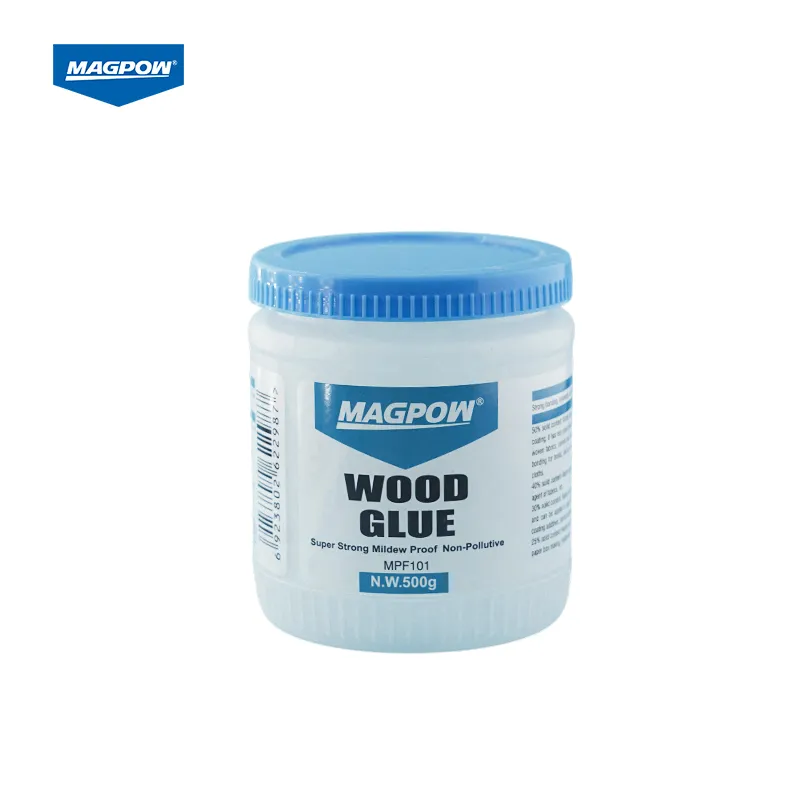
Verify Certifications, VOC and Formaldehyde Compliance
For cross-border furniture exports, compliance is non-negotiable. A qualified wood glue manufacturer should provide complete test reports and certifications, including ISO 9001 quality management, GREENGUARD, CARB P2 and relevant EN standards.
Low-VOC and low-formaldehyde requirements are increasingly strict in Europe, North America and Oceania. Non-compliant adhesive will block customs clearance and trigger safety complaints. Ask suppliers for SDS safety data sheets, formaldehyde emission test documents and third-party lab reports before placing bulk orders. Reputable manufacturers keep stable raw material sources and avoid cheap, unstable additives that cause emission index drift between batches.
Check Batch Consistency and Production Capacity
Batch inconsistency is a common headache for woodworking factories. If viscosity, solid content or curing speed changes from batch to batch, your workers must constantly adjust pressing time, glue spread rate and workshop humidity control, which raises scrap rates and slows production.
A trustworthy wood glue manufacturer implements standardized raw material inspection, closed-loop mixing and aging testing. Every batch goes through sampling tests for viscosity, solid content, bond strength and water resistance. You can request sample testing first, then run small trial batches to confirm stability before mass procurement. Also confirm the manufacturer’s MOQ, lead time and emergency delivery ability, especially for peak furniture production seasons.
Look for Custom Formulation and Technical Support
Top-tier wood glue manufacturers do not only sell ready-made glue. They provide custom formulation service for special requirements: adjustable open time for automated assembly lines, low-temperature curing glue for cold workshops, stain-friendly glue for dyed solid wood, and food-contact safe formulas for wooden kitchen utensils.
Technical support is equally valuable. Their application engineers can advise on glue spreading amount, clamping pressure, wood moisture control and storage rules. Many bonding failures come from incorrect operation instead of defective glue, so responsive technical support greatly reduces your production risk.
FAQ
· What is the difference between D3 and D4 wood glue?
D3 PVA glue is for dry indoor use; D4 delivers higher water resistance for humid indoor conditions.
· Can a wood glue manufacturer customize packaging and private label?
Most industrial wood glue manufacturers support custom packaging, private labeling and different drum sizes for B2B clients.
· How long is the normal shelf life of industrial wood glue?
Properly stored PVA wood glue usually has a shelf life of 12 months. High temperature and freezing will damage its performance.
Conclusion
Choosing the right wood glue manufacturer is not just about comparing prices. You need to evaluate product portfolio, international certifications, batch stability, custom development capacity and technical after-sales service together. A reliable supplier acts as your long-term partner, helping you cut defects and produce durable, eco-friendly wood products.
If you need wood glue samples, formulation consultation or bulk quotation, contact our team to get tailored adhesive solutions for your woodworking projects.